
 Alcumus SafeWorkforce
Running a small business comes with many responsibilities, and ensuring your team is prepared for emergencies is one of the most important. Even if your business only has a handful of employees, you are legally required to have systems in place to manage accidents and incidents and respond to emergencies. Ignoring these obligations can put your team in danger and leave your business exposed to legal consequences.
But what exactly does emergency preparedness mean for small teams, and what are you legally required to do? Let’s break it down.
Emergencies in the workplace can take many forms. Fires, medical incidents, slips and trips, chemical spills, and even extreme weather events can disrupt your business and put people at risk. While it’s easy to assume that emergencies are unlikely in a small office or workshop, incidents can happen anywhere. Preparing your team ensures:
Emergency preparedness falls under UK health and safety law, primarily:
These laws apply to businesses of all sizes. Even a team of two or three employees must comply with these obligations.
The cornerstone of emergency preparedness is a risk assessment. This involves identifying potential hazards in your workplace, evaluating the likelihood of harm, and implementing measures to reduce risk. For emergencies, consider:
For small teams, the risk assessment can be simple, but it should be documented in writing, even if it’s just a one-page summary. This demonstrates compliance and helps your team understand the risks they may face.
Once risks are identified, you must have clear emergency procedures. These outline how your team should respond in various scenarios and typically cover:
For small teams, procedures don’t need to be complex. Even if one person performs multiple roles, ensure everyone knows the steps to take. Posting a simple flowchart in the workplace can make procedures easy to remember.
Fire safety for businesses is one of the most regulated aspects of emergency preparedness. Under the Regulatory Reform (Fire Safety) Order 2005, you must:
Even in a small office, this could be as simple as a working smoke alarm, a clear exit route, and ensuring employees know where fire extinguishers are located and how to use them.
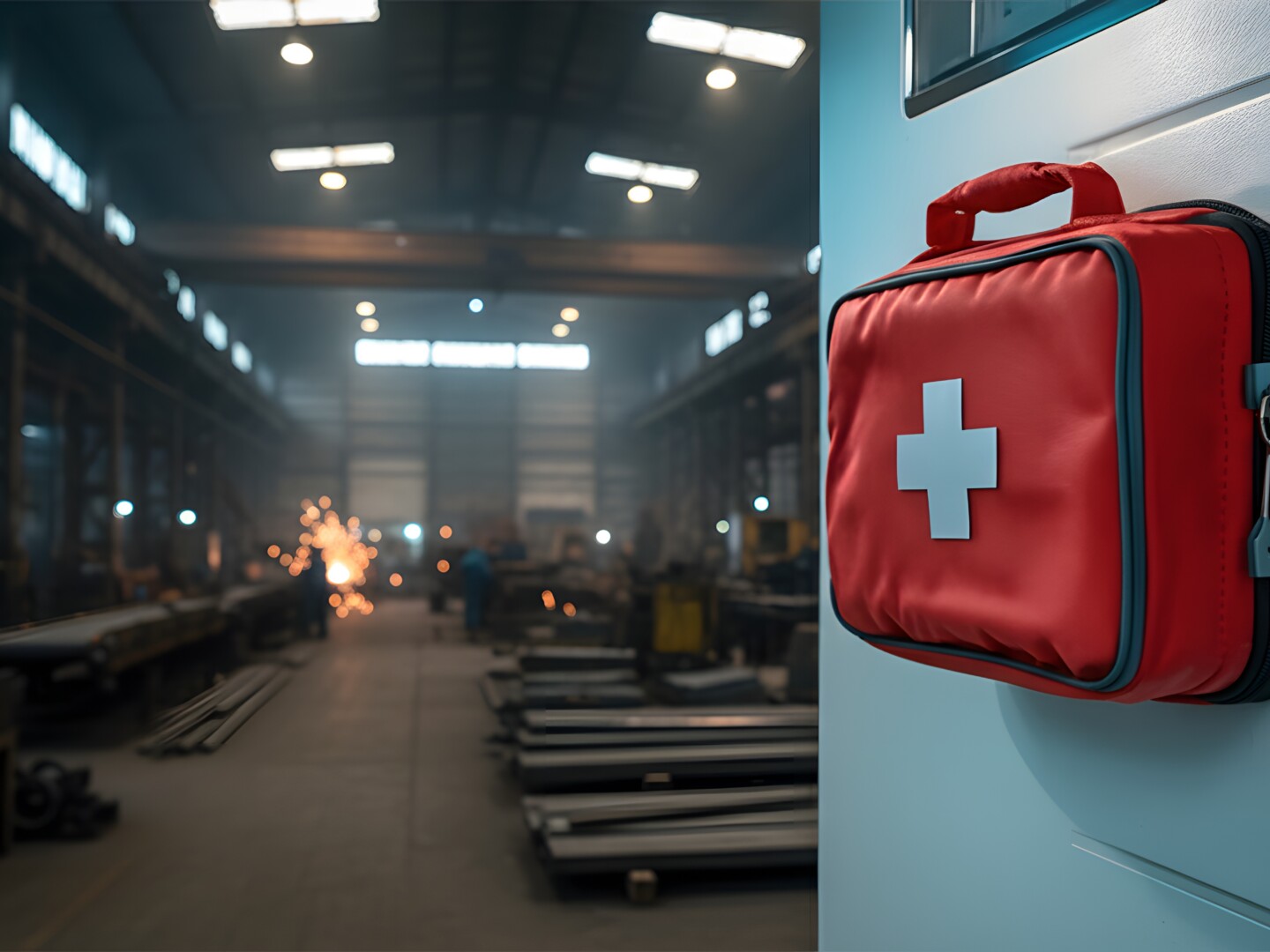
The law requires employers to provide adequate first aid arrangements. For small teams, this usually involves:
Even if your business is very small, ensuring someone knows basic first aid and how to contact emergency services can save lives.
Legal compliance isn’t just about having procedures on paper; it’s about ensuring your team knows and can follow them. This can be achieved through:
For very small teams, even a short, informal session explaining procedures and responsibilities can be sufficient.
Health and safety documentation may seem unnecessary for a team of two or three, but it’s crucial. Maintaining records of:
…not only demonstrates compliance to regulators but also provides a reference to improve your procedures over time.
While legal requirements may seem daunting, there are practical ways small teams can meet their obligations without unnecessary complexity:
SafeWorkforce specialises in health and safety consultancy and support for businesses of all sizes, including small teams. Our consultancy services help you:
We make emergency preparedness simple and manageable, helping you stay compliant while keeping your team safe.
Remember, legal obligations don’t shrink just because your team does. Being prepared protects your people, your business, and your reputation. Small steps today can prevent major incidents tomorrow.
If you want to ensure your small team is fully prepared and compliant without the stress, SafeWorkforce can help. Our in-house expert health and safety consultants provide tailored support, from risk assessments to training, helping your business meet legal obligations and keep your employees safe.
Book a free consultation with SafeWorkforce today and take the first step towards a safer, more prepared workplace.

Related Insights