 Alcumus SafeWorkforce
Every accident on a worksite tells a story. Sometimes it’s a story of a missed check, a moment of distraction, or a piece of equipment that should have been retired months ago. But more importantly, every accident and incident represents a person, someone’s colleague, friend, or family member, who got hurt while trying to do their job.
At SafeWorkforce, we believe that zero accidents isn’t just a corporate slogan; it’s the only acceptable target. As we move further into 2026, the landscape of workplace safety is shifting. We have better technology than ever before, yet the fundamental risks in sectors like construction and manufacturing remain stubbornly present.
Reducing on-site incidents requires a mix of timeless principles and modern innovation. It’s about creating a culture where safety is as natural as breathing. If you are looking to tighten up your operations this year, here are ten proven strategies to help you protect your most valuable asset: your people.
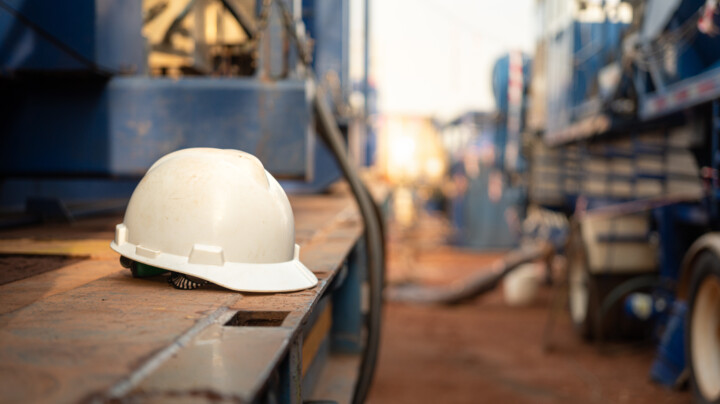
Personal Protective Equipment (PPE) has come a long way from simple hard hats and high-vis vests. In 2026, “smart” PPE is becoming a game-changer for accident prevention. We are seeing wearables that monitor vital signs to prevent heat exhaustion, helmets with built-in sensors that detect impacts, and vests that vibrate when a worker enters a dangerous zone.
Investing in this technology doesn’t just protect the individual; it gives you data. You can see heat maps of where near-misses happen or identify patterns in fatigue levels across shifts.
Practical Tip: Start small. Trial smart watches or sensor-equipped helmets with a single team. Gather feedback on comfort and usability before rolling it out site-wide.
For years, safety discussions focused purely on physical hazards, trip wires, falling objects, and machinery. Today, we understand that a distracted mind is just as dangerous as a faulty saw. Stress, fatigue, and burnout significantly impair judgement and reaction times.
When workers are struggling with mental health issues, their focus drifts. In high-risk environments, a split-second lapse in concentration can be catastrophic. Creating an environment where workers feel safe to speak up about stress or fatigue is crucial.
Practical Tip: Introduce regular “toolbox talks” specifically about mental well-being. Ensure your team knows that taking a five-minute breather to reset is not just allowed, but encouraged.
Many serious accidents are preceded by several minor incidents or “near-misses” that went unreported. If a scaffold clamp falls but doesn’t hit anyone, it’s often brushed off. That is a mistake. That falling clamp is a red flag waving in your face.
You need to build a culture where reporting a near-miss isn’t seen as “snitching” or admitting failure. It should be celebrated as a proactive step that potentially saved a life down the line.
Practical Tip: Gamify the reporting process. Offer small rewards or recognition for teams that identify and report potential hazards before they cause harm. Make the reporting process incredibly simple, perhaps via a mobile app rather than a stack of paperwork.
The traditional risk assessment is often a static document filed away in a cabinet. But a construction site or a factory floor is a living, breathing organism. Conditions change by the hour. Weather shifts, new contractors arrive, and machinery moves.
Dynamic risk assessments involve evaluating the situation in real-time. It encourages workers to pause and assess their immediate environment before starting a task, even if they’ve done it a hundred times before.
Practical Tip: Encourage the “Take 5” approach. Before any task, workers take five minutes to stop, look, assess, and manage the risks. It’s a simple mental checklist that reinforces safety consciousness.
We all know health and safety training is mandatory. But is your training engaging or is it a tick-box exercise?
Modern training needs to be interactive, practical and relevant to real-world risks. Toolbox talks, scenario-based learning and hands-on demonstrations help workers understand not just what to do, but why it matters. Using real incidents, near-misses and job-specific examples makes training far more impactful and memorable.
Practical Tip: Move away from annual refreshers and towards micro-learning. Short, focused safety bursts delivered weekly keep knowledge fresh without overwhelming your team
Walk onto any busy site and you are bombarded with noise, drills, engines and shouting. Relying on verbal communication alone is a recipe for disaster.
Visual communication cuts through the noise. This means clear, standardised signage, colour-coded pathways for pedestrians and vehicles, and using hand signals that everyone understands. In 2026, digital signage that can be updated instantly to reflect current hazards (like “Lifting in Progress”) is becoming standard.
Practical Tip: Audit your site signage. Is it faded? Is it covered in dust? Is it still relevant? Remove old signs that clutter the visual field and ensure the critical warnings are unmissable.
It sounds obvious, but equipment failure remains a leading cause of industrial accidents. Whether it’s a crane, a forklift, or a simple power drill, if it isn’t working correctly, it’s a hazard.
Preventative maintenance is key. Don’t wait for something to break. Schedule checks based on usage hours, not just calendar dates. If a machine is running double shifts, it needs checking twice as often.
Practical Tip: Empower operators to “red tag” equipment. If a worker feels a machine isn’t sounding right or handling correctly, they should have the authority to tag it as out of service immediately, without needing a supervisor’s permission.
The “tough it out” culture of the past has no place in a modern, safe workforce. Long shifts, skipped breaks, and consecutive days of hard labour lead to physical and mental exhaustion. A tired worker is a dangerous worker.
Fatigue management software can now help track shift patterns and alert managers when a worker is at risk of burnout. But technology aside, simple human observation works too. If someone looks exhausted, they probably are.
Practical Tip: Review your roster schedules. Are there adequate rest periods between shifts? Ensure your break rooms are genuinely restful places, quiet, warm, and stocked with water.
Safety culture flows from the top down. If a site manager walks past a trip hazard without moving it, they have just told every worker on that site that safety doesn’t matter.
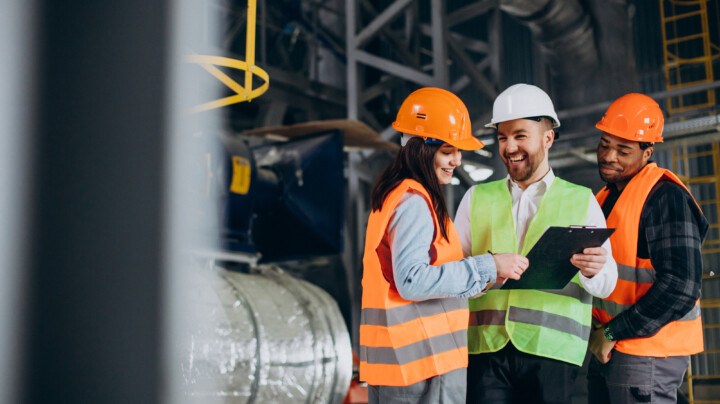
Leaders need to be visible champions of safety. They should be the ones wearing full PPE, following the pedestrian routes, and attending safety briefings. When leadership demonstrates that safety overrides deadlines, the workforce will follow suit.
Practical Tip: Managers should regularly conduct “safety walks” where the sole purpose is to observe safety practices and talk to workers about their concerns, not to check on progress or schedules.
Some jobs are inherently dangerous because of where they are located, at height, in confined spaces, or around unstable structures. These risks don’t disappear once a project is complete, which is why inspections must be consistent, not reactive.
Planned, annual inspections help identify wear, damage and emerging hazards before they escalate. In higher-risk environments, more frequent checks may be necessary to reflect changing conditions, heavy use or seasonal impacts. Regular inspections provide reassurance that controls remain effective and sites stay compliant.
Practical Tip: Set inspection schedules based on risk, not convenience. Annual inspections should be the minimum, with increased frequency where conditions, usage or previous findings justify it.
Reducing accidents isn’t about wrapping your site in cotton wool; it’s about being smart, proactive, and caring. It’s about using the tools available to us in 2026 to ensure that everyone goes home to their families at the end of the day.
At SafeWorkforce, we are passionate about helping businesses create safer, more compliant environments. We understand the pressures you face, and we are here to support you with the expertise and tools you need to manage risk effectively.
Whether you need help with compliance documentation, training, or implementing better safety management systems, we are in your corner. Let’s make 2026 the safest year on record, together.
Related Insights